Google is rolling out new interactive search features to help users find answers faster and easier. These updates let people explore information without leaving the search page. Users can now interact with charts, maps, and other tools right in their search results. This means they get what they need in fewer clicks.
(Building for Google’s “Interactive” Search Features)
The new experience builds on Google’s goal to make search more helpful. It uses artificial intelligence to understand what users are looking for. Then it shows the most useful format for that query. For example, someone searching for weather trends might see a clickable graph. A person looking up local events could get an interactive map with nearby options.
These features are live for English searches on mobile and desktop. Google plans to add more languages and regions soon. The company says early tests show people spend less time hunting for answers. They also report higher satisfaction with search results.
Developers and publishers do not need to change their websites. Google automatically generates these interactive elements from existing content. The system pulls data from trusted sources and formats it in a clear way. This helps ensure accuracy while keeping things simple for users.
Google has been testing these tools for months. Feedback from users helped shape the final design. The focus was on speed, clarity, and ease of use. Now, anyone using Google Search may see these dynamic results when they ask certain types of questions.
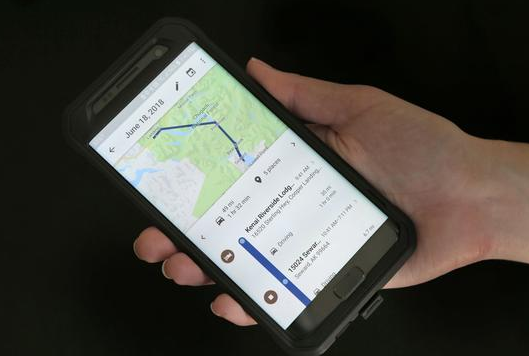
(Building for Google’s “Interactive” Search Features)
The update is part of a broader push to make search feel more like a conversation. Instead of just listing links, Google wants to give direct, engaging answers. This shift reflects how people use the internet today—expecting quick, visual, and hands-on ways to learn.